MC Banner 1

Fostering Social Growth Through Collaborative Play and Guided Interaction

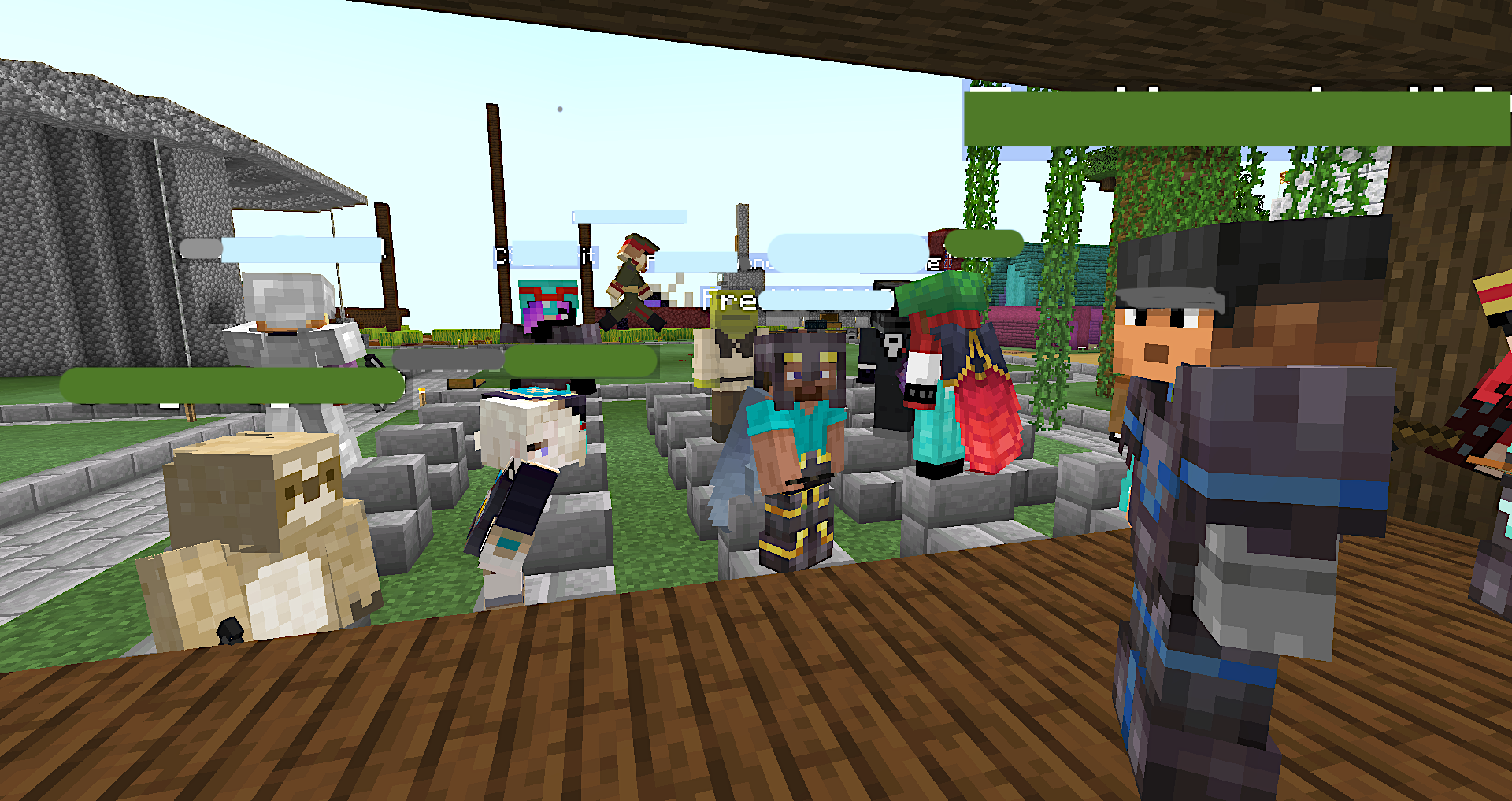
Through our online Social Group, participants learn how to collaborate, explore, gather resources, and have fun being creative in a shared Minecraft world. Together, groups co‑build a thriving community: they mine and craft, share tools and materials, co‑ordinate city projects and adventures, and celebrate milestones as a team. By working on the same server toward common goals, participants practice turn‑taking, clear communication, and problem‑solving in a friendly, low‑pressure environment. The “game” is our vehicle; the destination is genuine connection – new friendships, teamwork habits, and confidence in social situations.

About the program

What is the Minecraft Social Group?

The Minecraft Social Group is a 10-week programme that uses the globally loved sandbox game as a creative platform for building confidence and fostering social growth. By engaging in a shared interest, participants enter a safe, structured environment where they can collaborate on imaginative projects without the pressure of high stakes.

Through guided sessions, participants learn to communicate effectively, compromise, and work together to achieve shared goals while managing tasks such as resource gathering, construction planning, and problem-solving in dynamic worlds. These experiences help individuals practise teamwork, decision-making, and creative thinking in ways that feel fun and achievable. Every session is supported by experienced facilitators who ensure the environment remains positive, inclusive, and focused on growth.

Prog Thumb_MC_Wht

Why Minecraft?

Minecraft is a creative platform that inspires collaboration, problem-solving and imagination. Its open-ended design allows participants to build, explore and experiment together in a shared virtual world, encouraging teamwork and clear communication in a relaxed, enjoyable setting.

Working on projects such as constructing villages, planning adventures or tackling in-game challenges helps develop practical skills like planning, resource management and adaptability. The game’s flexibility makes it accessible to all abilities, while its immersive nature keeps learning engaging and rewarding.

Minecraft offers a safe space for creativity and social connection, making it an ideal tool for boosting confidence, fostering cooperation and strengthening critical thinking.

2025-09-26_18.37.00
Builds problem-solving and adaptability
Unexpected challenges such as resource shortages or surprise mob attacks encourage players to think creatively, adapt quickly and develop resilience in a dynamic environment.
2025-09-03_21.28.26
Supports social awareness and empathy
Collaborating in shared worlds and interacting with peers promotes perspective-taking, understanding and positive social behaviours within a moderated, inclusive setting.
Encourages planning and prioritising
Players learn to manage resources, design builds and set objectives, practicing organisation and decision-making that directly shape their outcomes.
2025-11-13_19.16.12
Promotes collaboration and communication
Working together on large-scale projects or survival tasks requires clear communication, teamwork and compromise, helping participants strengthen interpersonal skills while achieving common goals.
kjk.25

What we’ll work on

All Minds at Play programs are social programs that focus on the following for our players:

Communication and Literacy Skills

Expanding vocabulary around social and emotional development, increasing literacy skills and language development through peer activities.
Verbal and non-verbal communication

Using language and text skills to express ideas and feelings.

Build Confidence

Supporting participant’s decision making, encouraging positive collaborative behaviours and actions, developed through peer activities.

Social Growth

Helping the participant make friends, greet others, and develop sharing and turn taking skills.

Collaboration

By working as a group to achieve a common goal.

Problem Solving

Sharing, taking turns in different roles and working together.

Conflict Resolution

Working through differences for a shared aim.

Emotional Development

Learning to understand and talk about emotions (their own and other people’s) and problem-solving skills.

Build Program Skills

By engaging in the program, we build the participant’s skills and confidence in the program’s steps, languages, routines and “behavioural norms” to use these skills in the community.

Group Information

Why Choose Us

Why Choose Us?

  • Each group embarks on a shared creative journey, working together to tackle challenges, build impressive structures and explore vast worlds while developing practical skills and growing in confidence.
  • Participants stay with the same team for the entire term, building strong friendships and a genuine sense of community.
  • A dedicated facilitator guides the group, encouraging collaboration, creativity and positive social interaction throughout every session.
  • Most importantly, participants are welcomed into an environment where they can be their authentic selves without fear of judgement, fostering real connection and self-expression.
  • Highlight of his week

    My son joined Minds at Play 3 Terms ago. He really loves it. It is his favourite time of the week. Minds at Play do a great job facilitating the sessions and keeping him engaged for nearly three hours every week.

    Jop P
  • 5 Years Strong

    Minds at Play has been instrumental in providing an inclusive space in which both of my ASD/ADHD kiddos have been able to practise social skills without the need to mask. Since we enquired almost 5 years ago we have had nothing but amazing interactions with staff, whose passion is matched by their professionalism.

    Sheree C
  • Highly Recommended

    Our child is loving the engagement and socialisation, and it has helped immensely with his emotional regulation and gives him something to look forwards to each week. Highly recommended.

    Evan P
  • Growth through Activity

    Our nephew signed up with a Minds at Play group just over 1.5 years ago. Initially, we had assumed it would serve as a fun activity that breaks up a week of therapies and school. After a couple of weeks, we saw subtle improvements around how he communicated and interacted within session that has continued to date. We see him learning life skills through activity and could not be happier with the decision to give it a go. 

    Rose K